
Hebei Zhanzhou Auto Supplies Co., Ltd.: Your Leading Bicycle Covers Supplier
Hebei Zhanzhou Auto Supplies Co., Ltd. was established in 2016. The company keeps up with the times and has won unanimous praise from domestic and foreign customers with diligent and dedicated employees, high-quality products, strong technical strength, and a scientific and rigorous management system, as well as sincere and sincere service.
Why Choose Us
Wide Product Range
We are a company specializing in the production and manufacturing of car covers (such as car covers, motorcycle covers, bicycle covers, boat covers, RV covers, etc.).
Broad Market
The product is sold to more than 60 countries and regions such as the United States, Germany, France, and the United Kingdom, and is highly welcomed by customers.
Real Factory with Affordable Price
The company currently has 88 employees and a factory area of over 6000 square meters. We provide high-quality and affordable products, please feel free to contact us!
High Quality Service
We have an experienced and professional customer support team to provide flexible service to customers around the world, wholeheartedly provide customers with high-quality products and professional, efficient and thoughtful services.
-

Polyester Waterproof Bicycle Cover
Model: ZZ018. Double stitching, high strength, and durable.. The elastic hem around the bottom ensures a comfortable fit.. Suitable for different sizes: S, M, L, XL, XXL. Features: Waterproof, Add to Inquiry -
Oxford Waterproof Bicycle Cover
Model: ZZ019. Material: 210D Oxford. Function: Protect bicycles. Sampling time: within 7 days. Minimum order quantity: 50 pieces of each size of material. Add to Inquiry -
210D Outdoor Bicycle Cover
Model: ZZ020. Double stitching, high strength, durable.. The elastic hem at the bottom ensures a comfortable fit.. Suitable for different sizes: S, M, L, XL, XXL Add to Inquiry -
All Weather Outdoor Bicycle Cover
Model: ZZ021. Double stitching, high strength, durable.. The elastic hem at the bottom ensures a comfortable fit.. Suitable for different sizes: S, M, L, XL, XXL. Features: Waterproof, dustproof, UV Add to Inquiry


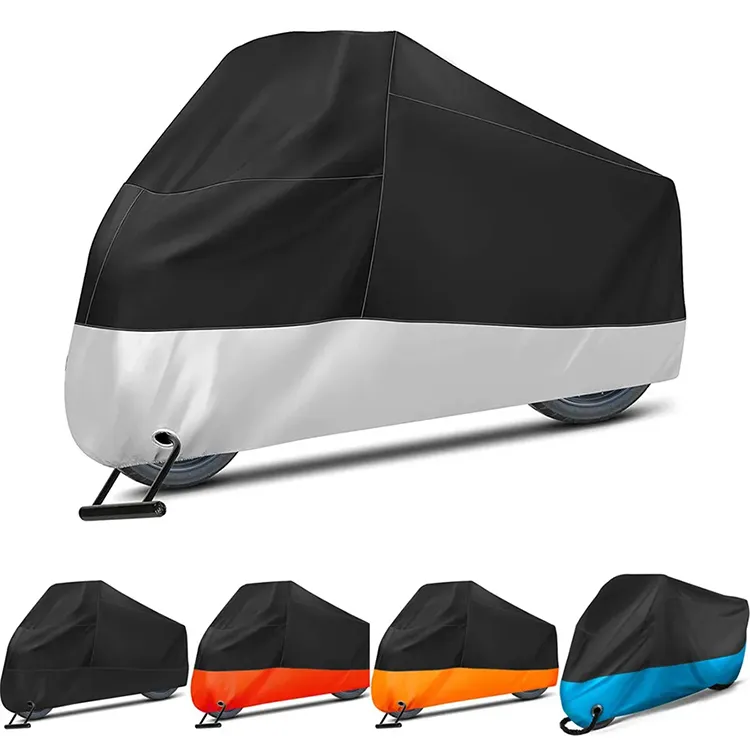
Definition of Bicycle Covers
Not all of us are blessed with a garage or even a dedicated outdoor storage shed. While some of us are fortunate enough to be able to keep our bikes in the house, some of us need to store them outside, and that's where the best bike covers come in. Bicycle covers are designed to be a permanent feature, others for protection at the office on rainy days when no sheltered bike parking is available. Some are better suited to keeping your investment protected while it's on a bike rack, and a small minority are even made to help you bring a filthy bike indoors, either into a car or a house, without necessarily having to wash it.
Advantages of Bicycle Covers
Creation of Space
In the first place, most people Park their bikes in the parking slot in the lobby of their homes. It is because they do not find it is safe to park their bikes outside for the whole night. Parking the bikes overnight alone can be dangerous because it can be subjected to hail Storms and wind. It is also subjected to risks like theft or damage by some children of the colony or stray animals. Due to the presence of such a high amount of risk people prefer parking their bikes inside their homes so that they could be protected from all these types of damage. But if you use a good quality bike cover then automatically some amount of space is created inside your house. You can utilize this space for anything. Protecting your bike with the help of a bike cover can protect your bike even if it has been parked outside.
Security
One of the most important utilization of using a good quality bike cover is security. Usually, a two-wheeler has to be subjected to a large amount of risk. It has to face the action of the weather. Be it snowfall or hail storm or even rainfall, it is the first form of the vehicle that would be affected. All of these climatic conditions try to affect the quality and the functioning of the bike in the long run. Even dust Storms are very dangerous because they usually affect the mileage of the bike. In such a situation, it is important to secure the bike by covering the same with the help of a tough bike cover so that the actions of any of these weather conditions do not affect the performance of the bike. It also helps to provide the bike with all the essential quantity of security for protecting itself against stray animals by any kind of damage which may happen either deliberately or by accident in a Colony.
Protects Mileage
Whenever dust and dirt enter inside the bike, the performance of the bike is affected like anything. They try to affect the functioning of the bike to such an extent that the mileage and the long-term performance of the bike are affected. It helps to protect the mileage of the bike by ensuring that unwanted waste materials and pollutants do not enter inside the bike at any cost. Using a good quality of these kinds of bike covers is very important for protecting your bike against unwanted and unexpected damages. These bike covers have additional flaps and flips. They can be extended to protect the security of the tyre slots as well. It prevents unwanted and unexpected deflation of the tires. It also prevents the unnecessary expenditure which might be incurred again and again on providing the servicing to the bikes. It is actually considered to be the need of the hour.
Value for Money
It is important to mention that a bike is also a machine that requires constant maintenance over some time. This constant maintenance of the bike is important for ensuring its smooth performance over the period. But if a bike cover is not used and the bike is subjected to unwanted climatic and atmospheric conditions including unexpected damages then these expenditures will occur again and again. This will even try to protect the particular bike from unwanted damages and that is how the wasteful expenditure on repairing the bike would be prevented. That is why using a good quality bike cover is a very important and valuable money decision. It helps in increasing the lifetime of a particular bike by preventing unnecessary damage and repair.
Types of Bicycle Covers
The Outdoor Covers
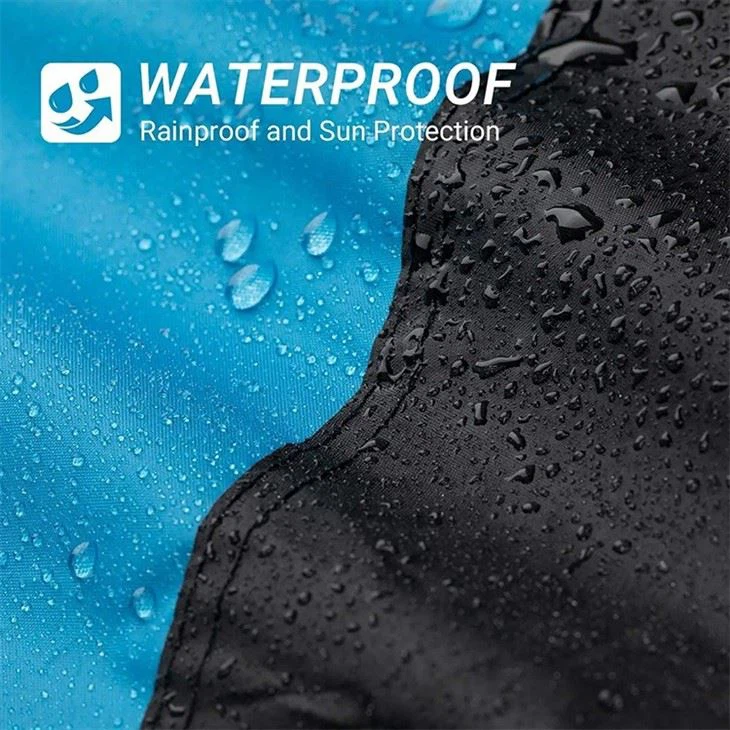
Outdoor bike covers are durable, waterproof, and they are designed to protect your bicycle from problems, which can be listed as UV rays, or rust from the rain. Outdoor covers would take the responsibility of ensuring that your bike is not damaged, and its paintwork can stay for as long as possible. Outdoor covers are known as bike tents. They are large enough to cover your bicycle but also lightweight and can be packed down small when necessary.
The Indoor Covers
The indoor bike cover is lightweight and created to protect your bike from scratches, and dust. Additionally, the indoor covers would prevent family members from getting smeared by the chain oil as they pass the bicycle. The indoor cover is similar to the outdoor as it can be big enough to be a bike tent but also allows you to pack down tightly.
Materials for Bicycle Covers
Some of the most common materials used for bike body covers are:
Polyester: Polyester is a popular material for bike body covers because it is lightweight, durable, and resistant to fading and mildew. It is also relatively inexpensive.
Nylon: Nylon is another common material for bike body covers. It is lightweight, durable, and has good water resistance, it also can withstand high temperatures, but it is usually more expensive than polyester.
PVC or Vinyl: PVC or vinyl is a heavy-duty material that is often used in bike body covers. It is very durable and resistant to water and UV, but it can be more expensive than polyester and nylon.
Cotton or Flannel: Cotton or flannel is a breathable material that is often used in indoor bike body covers. It can protect your bike from dust and scratches, but it is not as durable or resistant to water as the other materials.
Ultimately, the best material for a bike body cover will depend on your specific needs and preferences. It is important to consider the climate and storage location of your bike, as well as the type of bike you have when selecting a bike body cover. A bike cover made of a more robust material such as polyester or nylon is suitable for outdoor storage, while a cotton or flannel cover is better for indoor storage.
Maintenance Tips for Bicycle Covers
Maintaining bicycle covers is important to ensure their longevity and effectiveness in protecting your bike. Here are some tips to help you maintain your bicycle cover:
Clean the Cover Regularly
Use a mild detergent or soap, along with warm water, to clean the cover. Gently scrub it with a soft brush or sponge to remove dirt and stains. Rinse thoroughly and allow it to air dry before storing or covering the bicycle.

Avoid Using Harsh Chemicals
Do not use bleach or strong cleaning agents as they can damage the fabric or coating of the cover.
Store the Cover Properly
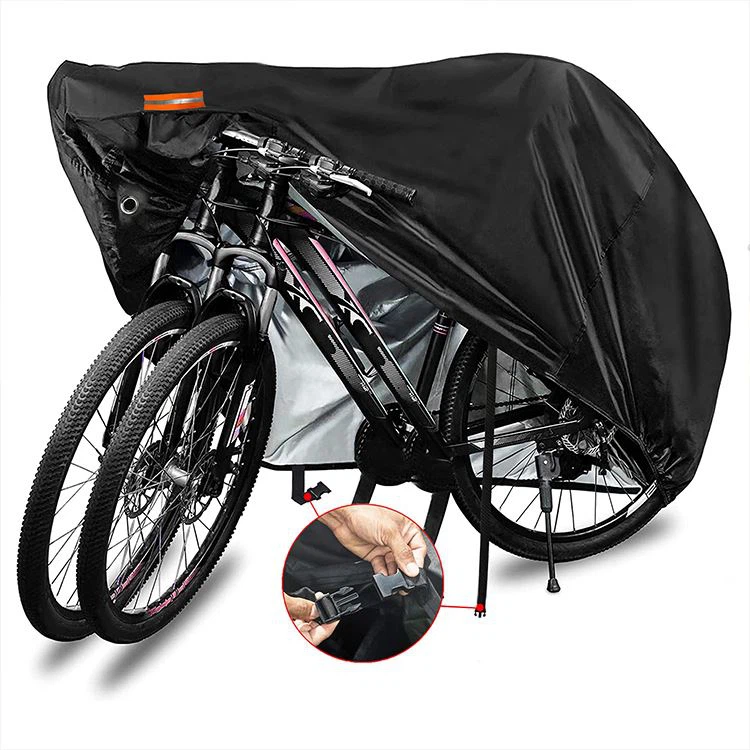
When not in use, fold the cover neatly and store it in a clean and dry place. Avoid storing it in damp or wet conditions as this can lead to mold or mildew growth.


Remove Debris and Moistur
Before covering your bicycle, make sure to remove any leaves, twigs, or other debris that might be stuck on the bike or the cover. Additionally, wipe off any excess moisture from the bike to prevent condensation from building up under the cover.
Inspect for Damage or Tears
Regularly inspect the cover for any signs of damage, such as tears or holes. Repair minor damages promptly with a patch kit or by sewing. If the cover is severely damaged, consider replacing it to maintain the full protective function.
Choose the Right Size
Ensure that the cover fits your bicycle properly. A cover that is too small may not fully protect the bike, while an oversized cover can flap in the wind and potentially cause damage.
The Considerations for Buying Bicycle Covers
To avoid disappointment when buying a bicycle cover, shop around for the best bike cover that suits particular storage needs. For example, outdoor storage will most likely require a waterproof fabric, and some covers even come with an inner layer fleece to protect the waterproof outer layers of the bike. This mainly involves looking at where the bike is stored, so as to decide whether a simple dust cover will suffice, or whether a heavier cover is needed to prevent outdoor damage to the bike.
Local Weather Consideration
As stated above, the ideal bike cover will take into consideration the local weather, therefore providing the maximum level of damage protection. Covers with secure fastening and elastic straps are best for gusty coastal areas, whereas waterproof seaming is better for areas with a higher chance of seeing snow. Someone who travels to different places with their bike may want to purchase a cover designed to protect from even the most adverse conditions, just to be safe.
Best Fabrics
The best bike covers will feature a high-quality fabric that will provide the utmost protection. However, aside from damage-control, the best fabrics will also contain waterproof seams, will be easy to clean, and will not fade quickly. All of these factors will prevent the wear and tear of the bike by improving the performance of the cover itself. Outdoor fabrics are designed to withstand the elements, and can usually be simply washed with just a hose. Now, some companies are selling bike covers made with an antimicrobial fabric that reduces the potential for mould, mildew, and fungi to grow on the bike cover.
Fitting the Cover to the Bike
There are different types of designs for bike covers. Some are meant to simply drape over the bike, while others are made to fit a specific model. Therefore, it is important to double-check the size of the cover before purchasing it in order to avoid buying something completely wasteful. Non-tailored covers still come in different sizes (from small to extra-large), so the size should still be considered even if it is not a fit-to-model design. The ideal cover should cover the bike but not be touching the ground, avoid damage to the cover, and thus allow it to last longer.
Extras
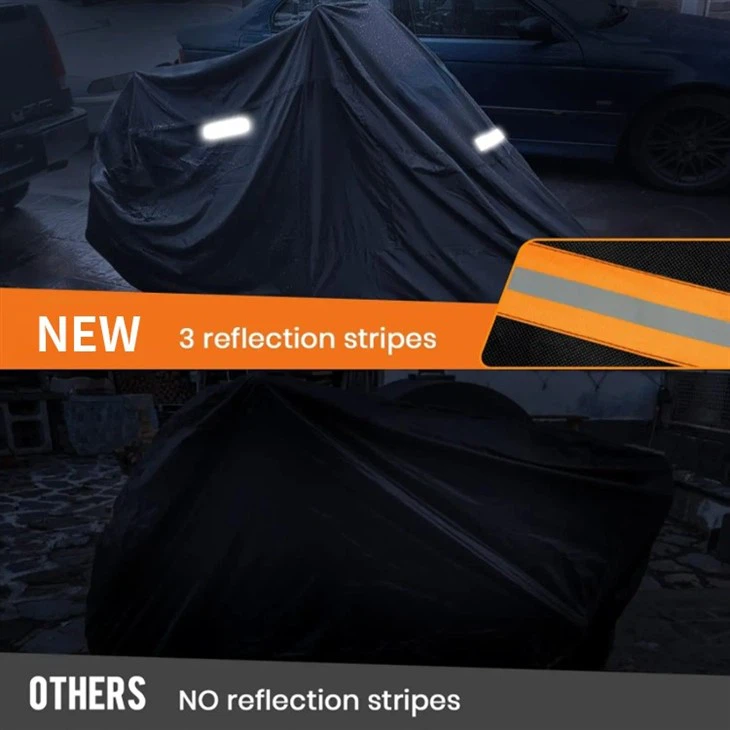
If the bike is parked on the road, it may be best to look for a cover with bright colors or reflective panels, avoiding potential accidents or collisions. In general, ventilation panels may be a good idea, since it is critical to avoid trapping any moisture inside the cover with the bike. Any moisture that gathers on the bike should be able to escape, which is why mesh panelling or any form of ventilation is preferred. Finally, it may be possible to purchase a bike cover that matches the color or design of the bike itself. This is not absolutely vital, but it might be worth looking into getting a unique cover.
Our factory


Ultimate FAQ Guide to Bicycle Covers
Q: Do bicycle covers work?
A: Bicycle covers come in waterproof fabric to keep water and snow out. The materials are also UV-coated to protect the bike from the sun. Plus, most of them are also dust-proof and windproof. What's more, bike covers conceal your bike, reducing the risk of someone stealing it.
Q: How can I cover my bike outside?
A: Here are the various ways you can cover your bike outside:
Using a waterproof, UV-coated, and dust-proof bike cover
Keeping it under a shed – either a DIY shed, a patio, or bike shed
Using a waterproof tarp
Using a waterproof, UV-coated, and dust-proof bike cover
Keeping it under a shed – either a DIY shed, a patio, or bike shed
Using a waterproof tarp
Q: Do bike covers protect bikes?
A: Bike covers are a cheaper way to protect your bicycle from the sun, rain, and snow. They also keep your bike clean by keeping dust away. Furthermore, some allow you to lock your bike outdoors and keep it safe.
Q: Are bicycle covers any good?
A: Bike covers are a cheap way to protect your bicycle from the rain, snow, dust, sun, and wind. A good number of bike covers also allow you to lock your bike, while others also double up as the bike's transportation bag. The fact that you cover your bike also means that not everyone can know what's under the bike cover. So, bike covers are a sense of psychological security.
Protect Your Bike From Direct UV Rays
Most of the products you have purchased may have this line in its preserving instruction: Keep away from direct sunlight. This is explicable because your bike or any items in your house when left under direct sunlight for too long, starts to have scratches and the bike material becomes more vulnerable. The UV rays are well-known for their ability to disinfect, but if exposed to them for a prolonged time, it would create certain damage. Some people argue why they should invest in a bike cover when they store their bikes indoors. The answer to this is that the UV rays can go through glass and any open space you have to get in. It is only in the case you store your bike in a dark day and night that you don't have to worry about the UV. Otherwise, having a bike cover is not a bad idea at all as it protects your bicycle from UV. If you have to leave your bicycle outside for storage, you should purchase a thick cover to protect it from UV as well as other harsh weather conditions.
Prevent The Rust
Rust happens as your bike reacts to air and water on and off. So it is evident that rust would appear if your bicycle stays outside and usually has to put up with the rain. Such a weather condition is not only harmful to the paintwork but also creates rust and shortens the lifespan of your bike. Why do we mention shortened lifespan here? Whenever an item goes rusty, it tends to become more of a drone to collapse rather than solid, especially those that have to stand the pressure, which under this circumstance is human weight. Since it collapses faster and more easily, you can get serious injuries if unfortunate. This leads to downgraded usage experience with health risks at the same time. When your bike starts to downgrade, you will have to spend a lot of money on preservation and maintenance. In any situation, it is never a good idea to spend a lot on repairing and preserving instead of preventing it in the first place.
Reduce The Risk Of Your Bike Getting Smuggled
A bike cover would help your bike stay far away from the thieves pretty much. A cover would best be combined with a bicycle lock for the best protection. If the thief cannot see your bike, he will have less motive to steal it as he does not know how valuable it can be nor he knows if it's locked or not.
Increase Storage Space
This is true for anyone who has a small garage and it already runs out of space for your car or motorbike. This also applies to those who do not own a garage. In these situations, a bike body cover would help you reduce the space needed and maximize the space you have for other more important items.
Protect Your Bike From Direct UV Rays
Most of the products you have purchased may have this line in its preserving instruction: Keep away from direct sunlight. This is explicable because your bike or any items in your house when left under direct sunlight for too long, starts to have scratches and the bike material becomes more vulnerable. The UV rays are well-known for their ability to disinfect, but if exposed to them for a prolonged time, it would create certain damage. Some people argue why they should invest in a bike cover when they store their bikes indoors. The answer to this is that the UV rays can go through glass and any open space you have to get in. It is only in the case you store your bike in a dark day and night that you don't have to worry about the UV. Otherwise, having a bike cover is not a bad idea at all as it protects your bicycle from UV. If you have to leave your bicycle outside for storage, you should purchase a thick cover to protect it from UV as well as other harsh weather conditions.
Prevent The Rust
Rust happens as your bike reacts to air and water on and off. So it is evident that rust would appear if your bicycle stays outside and usually has to put up with the rain. Such a weather condition is not only harmful to the paintwork but also creates rust and shortens the lifespan of your bike. Why do we mention shortened lifespan here? Whenever an item goes rusty, it tends to become more of a drone to collapse rather than solid, especially those that have to stand the pressure, which under this circumstance is human weight. Since it collapses faster and more easily, you can get serious injuries if unfortunate. This leads to downgraded usage experience with health risks at the same time. When your bike starts to downgrade, you will have to spend a lot of money on preservation and maintenance. In any situation, it is never a good idea to spend a lot on repairing and preserving instead of preventing it in the first place.
Reduce The Risk Of Your Bike Getting Smuggled
A bike cover would help your bike stay far away from the thieves pretty much. A cover would best be combined with a bicycle lock for the best protection. If the thief cannot see your bike, he will have less motive to steal it as he does not know how valuable it can be nor he knows if it's locked or not.
Increase Storage Space
This is true for anyone who has a small garage and it already runs out of space for your car or motorbike. This also applies to those who do not own a garage. In these situations, a bike body cover would help you reduce the space needed and maximize the space you have for other more important items.
Q: Will bike cover stop rust?
A: Absolutely. If you're in a situation where you need to leave your bicycle exposed to the outdoor elements for an extended duration, it's crucial to keep it well-maintained. This would include ensuring it's cleaned thoroughly, adequately lubricated, and importantly, shielded by a bike cover. Picture a scenario where you've just returned from cycling around a sandy beach, and tiny sand particles lodge themselves in various parts of your bike. If you neglect to clean it off and it rains the next day, rust could easily start to form. But if you had enveloped your bike in a cover, it would be far less susceptible to rusting. There's kind of a sense of satisfaction when you peel off the cover after a stormy night and find your bike just as shiny as the day before.
Q: Which material is best for bike covers?
A: Polyester offers the best bike protection and thus the best material for bicycle covers. Polyester is not just waterproof but also wear-resistant and dust-proof. So, it protects your bike from bad weather and easy wear.
Q: Could a simple bike cover hinder theft?
A: It's interesting how something as simple as a bicycle cover can make a huge benefit in terms of safety. The usefulness of bike covers extends beyond providing shelter from harsh weather. They actually can act as a stealthy protective feature against thieves. Regular commuters are all too aware of the frequent occurrences of bicycle thefts, creating an underlying sense of unease even when their bike is stored. However, you'll find that by just putting a cover on your bike, potential thieves are less likely to target it. The reason – the visual deterrent. They can't quickly assess the value or potential ease of removing any security devices if they can't see the bicycle. It's essentially a cost-benefit situation for them – why risk getting caught trying to remove a cover when there are other visible bikes to steal?
Q: What is the practical purpose of bike covers?
A: Essentially, bike covers are your bicycle's armor. They shield your favorite mode of transportation from multiple threats. When your bike is tucked away in a shed or resting under an open canopy, the bike cover serves the incredibly practical purpose of protecting it against the weather. They can also come up quite handy during transportation. Anyone who's tried to fit a muddy bike in the trunk of a car knows the mess it can make. With a bike cover, your bike can stay safe from scratches and dents, while your car remains free from dirt and oil stains.
Q: Is it necessary to use a cover for my bicycle?
A: Well, the necessity of a bike cover depends greatly on individual circumstances. If you live in an apartment where the bike storage is in a secure, dry space, perhaps a bike cover isn't necessary. However, if your bike regularly gets exposed to weather conditions or you have a pricey bike that exceeds your homeowner's or renter's insurance policy coverage limit, you might want to consider it. Besides, it's not just about insurance or legality. A bike cover is like a low-cost, one-time insurance against all sorts of potential damage. Personally, I believe it's a smart investment for bicycle upkeep and even more so if you don't have homeowner's or renter's insurance.
Q: What are bike covers?
A: Bike covers or bike body covers are categorized as bicycle supporting equipment. The bike cover is often made of polyester and can prevent your bicycle from direct UV rays and rust. It is no donut when saying that this equipment is necessary whether you store your bike outdoors or indoors. It is an affordable and practical investment for anyone.
Q: How to choose bike covers?
A: Material and Durability
First and foremost, the material of the cover plays a vital role in determining its durability. Look for high-quality fabrics such as polyester, nylon, or a mix of both. These materials are strong and durable and provide adequate protection against harsh weather conditions.
Size and Fit
Measure your bicycle and pick a cover that is suitable for its dimensions. A cover that is too tight might be difficult to put on and take off, while one that is too loose might not offer proper protection.
Weather Resistance
A good bicycle cover should be able to protect your bike from rain, snow, dust, and UV rays. Make sure the cover you choose has a weather-resistant coating that effectively shields your bike from these elements.
Portability and Convenience
If you're traveling with your bicycle, a lightweight and easily foldable cover is essential. This will ensure you can effortlessly pack it in your bag and carry it around without any hassle.
Ventilation
A cover should have proper ventilation to prevent condensation and mold growth. Look for covers with strategically placed air vents that allow proper airflow and keep moisture away from your bike.
First and foremost, the material of the cover plays a vital role in determining its durability. Look for high-quality fabrics such as polyester, nylon, or a mix of both. These materials are strong and durable and provide adequate protection against harsh weather conditions.
Size and Fit
Measure your bicycle and pick a cover that is suitable for its dimensions. A cover that is too tight might be difficult to put on and take off, while one that is too loose might not offer proper protection.
Weather Resistance
A good bicycle cover should be able to protect your bike from rain, snow, dust, and UV rays. Make sure the cover you choose has a weather-resistant coating that effectively shields your bike from these elements.
Portability and Convenience
If you're traveling with your bicycle, a lightweight and easily foldable cover is essential. This will ensure you can effortlessly pack it in your bag and carry it around without any hassle.
Ventilation
A cover should have proper ventilation to prevent condensation and mold growth. Look for covers with strategically placed air vents that allow proper airflow and keep moisture away from your bike.
Q: How do I cover my bike while traveling?
A: First, let's make sure we choose the right cover for our bike. Various options are available, all with different features to suit our travel needs. We can find waterproof, dustproof, and UV-resistant covers, as well as those specifically designed for transport. Consider the material type, size, bike rack compatibility, etc.
Now installing the cover is the easy part. Follow these steps.
Clean our bicycle before covering it. This will prevent any dirt or debris from causing damage while it's being transported.
Fold the cover according to the instructions provided by the manufacturer. This may involve folding it in half, rolling it up, or using a specific folding method.
Place the cover over our bike, starting from the front wheel and working our way towards the rear. Ensure that all parts of the bike are fully covered, including the wheels, frame, and handlebars.
Secure the cover using any straps, buckles, or drawstrings provided. This will help to keep it in place during transit and protect our bike from the elements.
Now installing the cover is the easy part. Follow these steps.
Clean our bicycle before covering it. This will prevent any dirt or debris from causing damage while it's being transported.
Fold the cover according to the instructions provided by the manufacturer. This may involve folding it in half, rolling it up, or using a specific folding method.
Place the cover over our bike, starting from the front wheel and working our way towards the rear. Ensure that all parts of the bike are fully covered, including the wheels, frame, and handlebars.
Secure the cover using any straps, buckles, or drawstrings provided. This will help to keep it in place during transit and protect our bike from the elements.
Q: Do you need to cover a bike while traveling?
A: As avid cyclists, we often get asked whether it's necessary to cover a bike during travel. While it's not mandatory, we believe investing in a good bike cover is an excellent idea. Trust us. It's worth it.
Using a bike cover has multiple benefits. Firstly, it protects your bike from weather elements, such as rain, dirt, and UV rays. This keeps it in peak condition without any rust or damage.
Secondly, it ensures security. Having a cover will make your bike less visible to potential thieves, substantially reducing the risk of it getting stolen. It also prevents any scratches or dents while in transit.
So eliminate the risk of damage when traveling and cover your bike. It's easy to find the right bike cover online to do the job compatible with your bike rack.
Using a bike cover has multiple benefits. Firstly, it protects your bike from weather elements, such as rain, dirt, and UV rays. This keeps it in peak condition without any rust or damage.
Secondly, it ensures security. Having a cover will make your bike less visible to potential thieves, substantially reducing the risk of it getting stolen. It also prevents any scratches or dents while in transit.
So eliminate the risk of damage when traveling and cover your bike. It's easy to find the right bike cover online to do the job compatible with your bike rack.
Q: Are there breathable bicycle covers suitable for long-term storage?
A: Yes, breathable bicycle covers are essential for preventing moisture buildup during long-term storage, which can lead to rust and corrosion. Look for covers with ventilation holes or made from breathable yet waterproof material. This ensures that while your bike is shielded from dust and moisture, the airflow is sufficient to keep the bike dry and the chain free from rust.
Q: Which type of bike cover is best?
A: The best type of bike cover will depend on your specific needs and preferences. Some factors to consider when choosing a bike cover include the material, size, and durability of the cover, as well as any additional features such as ventilation or locking capabilities.
Here are some popular bike cover options:
Waterproof cover: This type of cover is designed to keep your bike dry in wet weather. They are made from waterproof materials, such as nylon or polyester, and have sealed seams to prevent water from seeping through.
UV-resistant cover: This type of cover is designed to protect your bike from the sun's harmful rays. They are made from UV-resistant materials, such as polyester, and can help prevent fading and cracking of your bike's paint and plastic parts.
Indoor cover: This type of cover is designed for indoor storage and is typically made from a soft, breathable material such as cotton or flannel to protect your bike from dust and scratches.
Ultimately, the best bike cover will depend on your specific needs and preferences. It is worth considering your local climate and storage location, and also the type of bike you have when selecting a bike cover.
Here are some popular bike cover options:
Waterproof cover: This type of cover is designed to keep your bike dry in wet weather. They are made from waterproof materials, such as nylon or polyester, and have sealed seams to prevent water from seeping through.
UV-resistant cover: This type of cover is designed to protect your bike from the sun's harmful rays. They are made from UV-resistant materials, such as polyester, and can help prevent fading and cracking of your bike's paint and plastic parts.
Indoor cover: This type of cover is designed for indoor storage and is typically made from a soft, breathable material such as cotton or flannel to protect your bike from dust and scratches.
Ultimately, the best bike cover will depend on your specific needs and preferences. It is worth considering your local climate and storage location, and also the type of bike you have when selecting a bike cover.
Q: What is the life of the bike cover?
A: The lifespan of a bike cover will depend on a number of factors, including the quality of the materials used, the level of care taken when using and storing the cover, and the amount of exposure to the elements that the cover is subjected to. In general, a high-quality bike cover made from durable materials and properly cared for can last for several years. However, it is important to regularly check the cover for signs of wear and tear, such as holes or tears, and to replace it if it becomes damaged. Additionally, it is important to choose a cover that is appropriate for the type of weather and climate in which it will be used.
Q: Do I need a bike cover?
A: Bike covers are primarily designed to keep water off your bike, which over time can lead to corrosion. We all ride in the rain, and your bike won't dissolve if it gets wet, but if you are regularly storing your bike outside, either at work or at home, then a bike cover might be a good idea to protect your bike and stop the wear from accelerating.
Q: Do bike covers scratch paint?
A: No – bike covers are made from an anti-scratch material, we aim to protect your bike not cause any damage! It is recommended that bike covers are always placed on a clean bike, dirt and dust can damage the paintwork.
Q: How do I determine the right size of bicycle cover for my bike?
A: To determine the right size of bicycle cover for your bike, measure the length, width, and height of your bike while it's parked. Choose a cover that is slightly larger than your measurements to ensure a good fit.
We're well-known as one of the leading bicycle covers manufacturers and suppliers in China. Please feel free to wholesale customized bicycle covers made in China here from our factory. For more cheap products, contact us now.
Outdoor Boat Cover, Composite Non Woven Car Cover, All Weather Outdoor Bicycle Cover