
Hebei Zhanzhou Auto Supplies Co., Ltd.: Your Leading Non Woven Car Covers Supplier
Hebei Zhanzhou Auto Supplies Co., Ltd. was established in 2016. The company keeps up with the times and has won unanimous praise from domestic and foreign customers with diligent and dedicated employees, high-quality products, strong technical strength, and a scientific and rigorous management system, as well as sincere and sincere service.
Why Choose Us
Wide Product Range
We are a company specializing in the production and manufacturing of car covers (such as car covers, motorcycle covers, bicycle covers, boat covers, RV covers, etc.).
Broad Market
The product is sold to more than 60 countries and regions such as the United States, Germany, France, and the United Kingdom, and is highly welcomed by customers.
Real Factory with Affordable Price
The company currently has 88 employees and a factory area of over 6000 square meters. We provide high-quality and affordable products, please feel free to contact us!
High Quality Service
We have an experienced and professional customer support team to provide flexible service to customers around the world, wholeheartedly provide customers with high-quality products and professional, efficient and thoughtful services.
-

PEVA Non Woven Car Cover
Model: ZZ009. Double stitching, high strength, and durable.. The elastic hem at the bottom ensures a comfortable fit.. Suitable for different vehicles, such as hatchbacks, sedans, SUVs, and pickup Add to Inquiry -
PVC Non Woven Car Cover
Model: ZZ010. Function: Protect the car. Customization: Supports OEM customization and ODM customization.. Sampling time: within 7 days. Minimum order quantity: 50 pieces of each size of material. Add to Inquiry -
Composite Non Woven Car Cover
Model: ZZ011. The elastic hem at the bottom ensures a comfortable fit.. Suitable for different vehicles, such as hatchbacks, sedans, SUVs, and pickup trucks. Features: Waterproof, dustproof, UV Add to Inquiry


Definition of Non Woven Car Covers
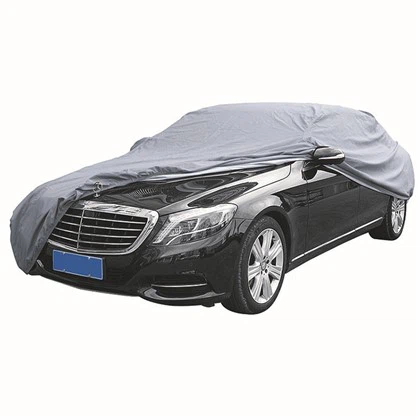
The weatherproof non-woven car cover protects the vehicles from rain, wind, snow & Ice, tree resin, bird droppings, sunlight & UV, dust & smog, and pollution. These premium car covers can also keep your vehicles cool, protecting the paint and interior from degradation by the sun. Available in a variety of sizes, the non-woven car cover features a durable design with double-stitched seams and a full elastic hem for a semi-custom fit.
Advantages of Non Woven Car Covers
Waterproof Property
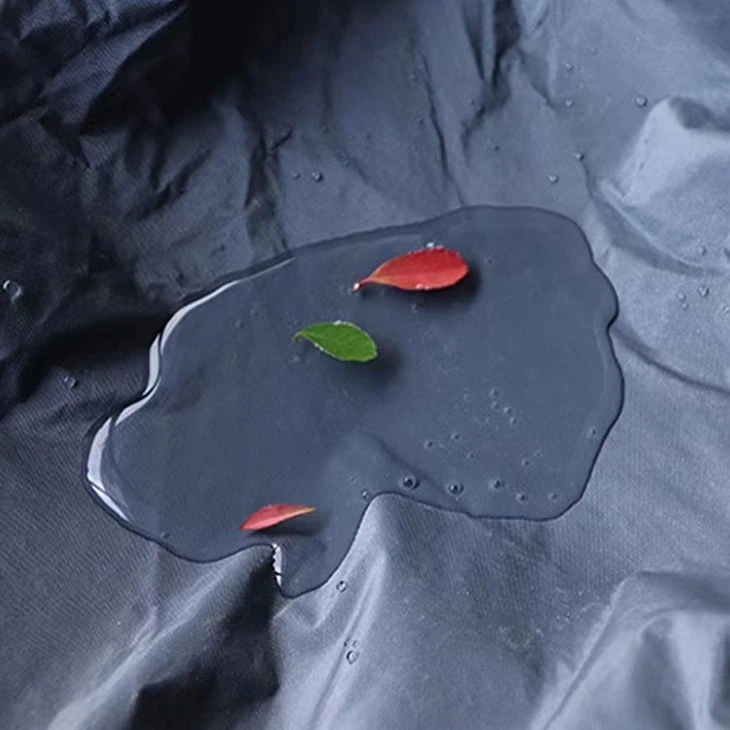
Non-woven car covers need to have excellent waterproofing to protect vehicles from rain, snow, and even nasty hail. If the car cover isn't good at keeping water out, especially in areas with lots of pollution, the rainwater can be pretty corrosive. There are two ways car covers achieve waterproofing. One way is to use materials that are naturally waterproof, like PVC. The other way is to add a special coating to the cover's surface, like a PVC coating, to make it even more waterproof.
UV Protection
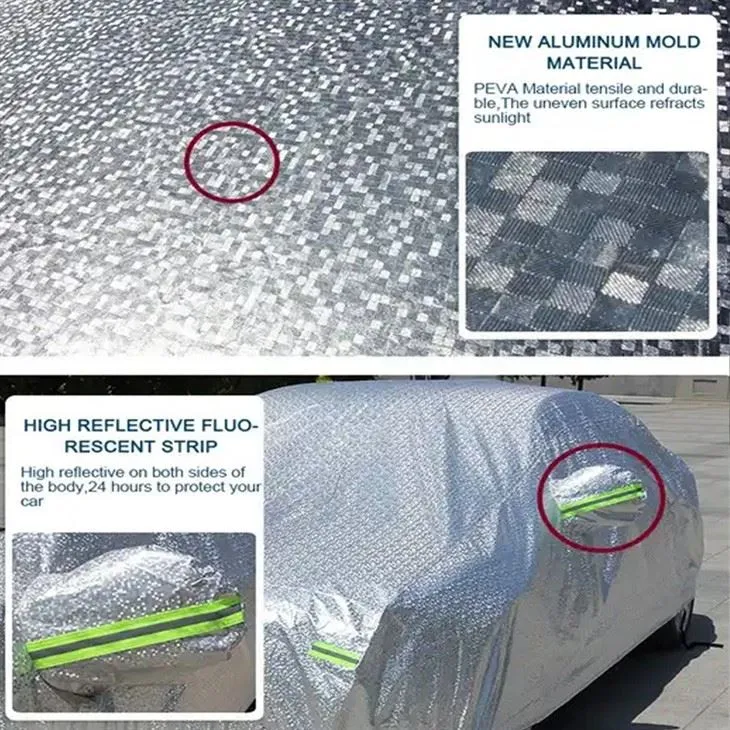
Non-woven car cover materials should prevent damage from UV radiation. Prolonged exposure to strong sunlight can cause car paint to fade and age as well as harm the car interior. Usually, materials undergo special treatments or designs to enhance UV protection ability. One common method is the application of an aluminum foil coating to effectively prevent UV rays.
Good Breathability and Heat Insulation Properties
Good breathability in car covers helps to prevent moisture buildup, mold, and funky smells. It allows for better airflow, keeping your vehicle dry and fresh. Especially during hot summer days, car covers often have added features like aluminum foil coating or insulation layers to keep the heat out. Some covers even have ventilation holes or vents to help release heat and improve airflow, giving your vehicle extra protection from the scorching sun.
Fire Retardant Property
When cars are parked outdoors, it's inevitable that there will be situations where people carelessly discard cigarette butts or children play with fireworks. Cars are highly susceptible to fire, and they are extremely sensitive to it. Choosing a car cover made with fire-resistant materials can reduce the occurrence of fires. Generally, manufacturers add fire retardants or use fire-resistant techniques to make the cover body material a certain level of fire resistance.
Windproof Capability
Non-woven car cover should be able to withstand windy conditions, especially in environments with strong winds. It can prevent being blown away or damaged. Polyester, polyurethane, and materials with polymer coatings are commonly used for outdoor car covers due to their excellent wind resistance.
Explanation of the Importance of Understanding the Different Layers of Non Woven Car Covers
Non woven car covers are important for protecting your vehicles from dust and other environmental risks, such as wind, sun, humidity, and debris. To ensure that the car cover offers maximum protection, you should understand the importance of the different layers of a car cover – inner, middle, and outer.
Inner Layer
The inner layer of car covers consists of a soft and cushioned fabric. This layer offers greater protection to the paintwork, windows, and exterior body panels. When a cover is applied to the vehicle, this inner layer ensures that it does not scratch or damage any surface. It also helps absorb moisture, reducing or completely eliminating potential problems with mold and mildew. The velvety finish also keeps dirt particles from rubbing off onto the car's exterior surfaces. Additionally, many inner layers are treated to be water-resistant, providing an extra layer of protection from water and their associated staining effects (i.e., rust). The innermost layer is the key for ensuring that your car cover fits snugly without any gaps or contact points with trigger damage down the road.
Types of Materials Used for the Inner Layer
When choosing a car cover, you will encounter the option of selecting materials for the inner layer. It is important to select a material that is both breathable and soft. This will help to protect your car's paint and prevent scratches. The inner layer typically consists of one of the following types of fabric or combinations to provide additional protection:
- Cotton: Cotton provides good breathability and a smooth, soft touch for the car's exterior finish. Cotton loops also help to provide good grip from wind and elements.
- Fleece: Fleece fabrics are popular for inner layers because it creates a thermal barrier against extreme temperatures and provides some additional protection from pests.
- Polyester: Polyester is a strong synthetic material which resists stretching and tearing, yet still allows for good breathability. It also offers extra protection from rainwater or snow accumulation on your car's exterior surface by allowing any moisture that may penetrate the outer layer to be quickly wicked away by the polyester fibers before causing any real damage.
- Vinyl Coating/Laminates: Vinyl coating or lamination can provide an even more waterproof layer than polyester if you need extra protection against very heavy precipitation levels in your area. This type of fabric will also help reflect harmful UV sun rays away from your vehicle's paint job and keep your car cool during hot summer months by retaining its shape when stretched out over large items like cars or minivans.
Middle Layer
The middle layer of car covers is one of the most important for protecting vehicles from UV rays and other external threats, such as dirt and dust. The middle layer of protection is usually made up of polyester fabric or vinyl.
- Polyester Fabric – Polyester is an extremely strong material that will last through regular wear and tear as well as extreme weather conditions. It's also great at preventing scratches, dents and spots which makes it an ideal material for long-lasting car covers. Polyester is generally lightweight so it won't weigh down your vehicle while still providing effective protection against UV rays and other potential hazards.
- Vinyl – Vinyl is a thick synthetic material that resists water, mold, mildew, dirt and debris. It's strengthened with nylon so that it can withstand even the harshest weather conditions making it another great option for a car cover's middle layer. Vinyl layers are also beneficial due to their anti-flammability which helps to protect your car from any possible fires or accidents when covering your vehicle with a car cover.
Types of Materials Used for the Middle Layer
The middle layer of car covers serves as the heart of the cover by providing the bulk of its protective benefits, especially for indoor and light outdoor use. While there are relatively few choices for car cover materials in this layer, there is still a variety to choose from depending on your budget, desired features, and protection level needed. Common materials used for the middle layer of car covers include:
- Poly Cotton- This blend of two key materials provides a soft yet durable cover that offers good protection against scratches and dirt. The cotton fiber can absorb moisture and help keep your car temperature controlled.
- Fleece- Fleece is made from synthetic acrylic fibers and is designed to be softer than cotton while still providing good breathability. It is also highly durable against scratches and UV sunlight damage
- Microfiber- A man-made synthetic material that is strong, yet lightweight with a soft feel to it. It has excellent absorbing qualities making it perfect for keeping your vehicle well protected even in inclement weather conditions.
Outer Layer
The outermost layers are usually constructed from materials like polypropylene with UV coatings which provide excellent UV protection from sun exposure that would otherwise damage paintwork causing crackling, fading and other deterioration effects along with helping prevent dust buildup on your vehicle when it is left parked outside for long periods of time; thus protecting it overall much longer than just having nothing in place at all. Additionally, this material greatly reduces condensation when second combined with elastic seams for an improved fit against external weather conditions encountered whilst keeping it looking newer for longer periods verses having nothing in place to begin with.
Ultimate Guide for Choosing the Right Non Woven Car Covers

Size and Fit
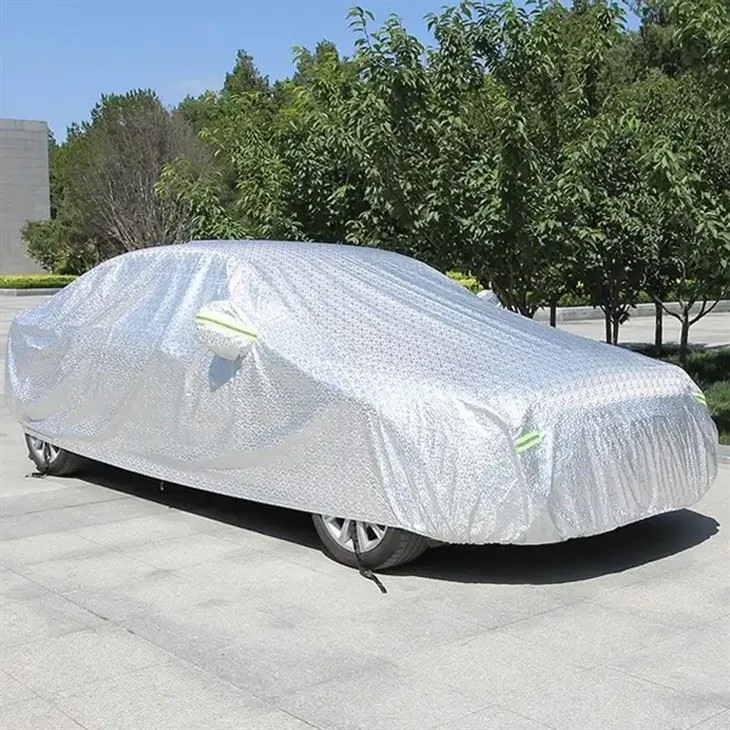
The first and foremost consideration when choosing a non-woven car cover is the size and fit. It is crucial to select a cover that fits your specific vehicle model and size. Ill-fitting covers leave portions of the car exposed and vulnerable to damage. Measure your car's length, width, height, and wheelbase accurately and consult the sizing guide provided by the manufacturer to ensure a snug fit.
Material Quality
The quality of the non-woven material is a crucial factor affecting the car cover's overall performance and longevity. Look for covers made from high-quality polypropylene or polyester fibers that are strong, tear-resistant, and durable. The material should have adequate thickness to withstand harsh weather conditions and protect the car's surface from scratches and dust.
Water Resistance
Water resistance is an essential feature to consider, especially if you live in an area with frequent rain or snowfall. Look for non-woven car covers with water-resistant or waterproof properties. These covers are designed to repel water, preventing moisture from seeping through and damaging your car's exterior. Additionally, water resistance helps in preventing mold and mildew formation.
UV Protection
UV rays from the sun can cause significant damage to your car's paint, interior, and upholstery. Ensure that the non-woven car cover you choose provides adequate UV protection. Look for covers with UV-resistant coatings or those that offer a high level of UV ray reflection. This will help prevent color fading and deterioration of your car's appearance.
Breathability
While water resistance is crucial, it is equally important to consider breathability. A non-woven car cover with breathable properties allows air circulation, preventing moisture buildup and condensation underneath the cover. This is particularly important if you plan to use the cover for extended periods, as trapped moisture can lead to corrosion and paint damage.
Ease of Use
Consider the ease of use when selecting a non-woven car cover. Look for features such as elastic hems or tie-down straps that help securely hold the cover in place. A cover with a zipper or Velcro access panel allows you to access the car's interior without fully removing the cover. Additionally, choose a lightweight cover that is easy to install and remove.
Durability and Longevity
Investing in a durable and long-lasting non-woven car cover is essential to ensure it provides sufficient protection for your vehicle over an extended period. Look for covers with reinforced seams and double-stitched hems for added durability. Read customer reviews and check for warranty or guarantee offers from the manufacturer as an indication of the cover's longevity.
Maintenance and Cleaning
Check the maintenance and cleaning instructions provided by the manufacturer. Select a non-woven car cover that is easy to clean and maintain. Look for covers that are machine washable or those that can be cleaned with a gentle detergent and water. Ensure that the cover is easy to dry and can be folded or stored conveniently when not in use.
Price
Price is an important factor to consider when choosing a non-woven car cover. Set a budget range and compare prices across different brands and models. While it is important to find a cover that meets your requirements, be cautious of extremely low-priced options that may compromise on quality and performance.
Putting On Your Non Woven Car Cover
As a car owner, it is important for you to know how to put on a car cover by yourself. Putting on a car cover properly is equally important as choosing an adequate car cover. Sadly, most car owners think that putting on a car cover involves a lot of work, so they decide to leave their vehicle exposed. However, the fact of the matter is that once you learn how to properly use a car cover, putting it on and taking it off becomes very simple. There are some basic steps that will help you understand how to install a car cover. These are some basic yet important steps that will help you understand how to put a car cover easily.
First, you need to remove the car cover from its packaging.
Look for the tag identifying the front on the inside of your car cover. Many car covers will have this tag either sewn or stamped to the front of the cover. This will help you differentiate between the front and rear of your cover.
Secure the front area of the cover around the front bumper first; then pull the cover over the top of the car. It is advisable to begin with the front part of your vehicle, since the front bumper is more exposed when compared to other views of the vehicle.
If you have purchased a custom cover, it may have mirror pockets. If it does, then be sure to place the cover over the side mirrors first before the ends of the cover are attached to the bumpers.
You may know how to put a car cover over a car that has an antenna; however, it becomes a little complicated for vehicles without the antenna. In this case, you need to first check if you have received an antenna patch. There are also some models that have antennas that are not retractable. Identify the spot where the antenna would have hit the cover if it were installed and then apply the antenna patch, preferably a self-adhesive one to that spot. If you want your antenna to have a custom fit, then use a sharp object to punch a hole in the center of the patch.
Finally, pull the rest of the cover over your vehicle. You may have to pull the cover in phases, depending on the type of the vehicle, so that it will not bunch up.
Once this is done, and the cover rests on the roof of your vehicle, make sure to secure the cover under the rear bumper.
Our factory


Ultimate FAQ Guide to Non Woven Car Covers
Q: How non woven car covers work?
A: Car covers are made from highly durable materials able to withstand the elements. They protect your car from damage. Car Covers are much like a large tarp or tent, shaped to fit your car loosely. (Unlike a tarp, they have a soft lining to protect paintwork). They also have an elastic skirting with a soft felt inside lining. This lessens the chance of damage to your vehicle's paintwork. Importantly all good waterproof covers have breathable venting to allow air flow. Do not place a car cover on a dirty, dusty or wet car as this can cause damage to the paintwork.
Q: Can a non woven car cover help prevent my vehicle from being stolen?
A: Yes it certainly can. A thief wants to get into your vehicle, start it, and drive off as quickly as possible. As soon as a thief starts to make an entry, they are exposed. A car cover takes a few minutes to remove, so the thief's exposure time is increased. With so many cars uncovered, why would a thief want to increase the risk of being caught? A cover also helps protect the contents of a vehicle. When radios and other items are out of sight they are less likely to tempt a thief.
Q: What is the best way to fold a cover when taking it off the vehicle?
A: The easiest way I've found is the way we picture it in our instruction sheets. Simply fold each side up onto the roof and refold it as necessary so the material ends up about 2 feet wide. Then, starting at the front of the vehicle, fold the cover towards the back in increments of about 3 feet. This way you don't drag the cover over the vehicles surface, and it's easy to reverse the process for installation. By folding the sides up onto the roof, you also keep the dirty, outside surface of the cover tucked inside, preventing it from touching the inside lining of the cover and getting your trunk dirty (if you store it there).
Q: Any suggestions on how to keep my vehicle cooler when i use a non woven car cover?
A: Other than parking in the shade, because most of our better fabrics will protect against bird droppings and tree sap, the best thing to do is to lower your side windows about two inches. Ambient temperature builds inside enclosed spaces, and if you open the windows slightly you'll allow air to circulate, just like it circulates under the cover. Some of our fabrics offer more heat insulation than others, simply because they are multi-layered and are more effective at keeping heat away from the vehicle surface, but any cover will help reduce the vehicle temperature on a hot day.
Q: How often should I wash my cover?
A: There is no magic number since it depends on where you live and how you use the cover. Don't be afraid to wash a car cover! Dirt particles can compromise the effectiveness of the water resistance of the fabric. Be sure to follow the washing instructions for the cover you own.
Q: How to use non woven car covers?
A: Most car covers will have a "Front" tag either sewn or stamped to the front of the cover. Use this to determine the front and rear of your cover.
Once you've identified the front of the cover, secure this area of the cover around the front bumper first, then pull the cover over the top of the vehicle and secure under the rear bumper last.
If your custom cover has mirror pockets, be sure to place the cover over the side mirrors first before the ends of the cover are attached to the bumpers.
If your vehicle does not have an antenna that can be removed or retracted flush with your vehicle, you should have received an antenna patch.
Apply the adhesive-backed antenna patch to where the antenna would hit the cover if it were installed and aligned properly.
Once you've identified the front of the cover, secure this area of the cover around the front bumper first, then pull the cover over the top of the vehicle and secure under the rear bumper last.
If your custom cover has mirror pockets, be sure to place the cover over the side mirrors first before the ends of the cover are attached to the bumpers.
If your vehicle does not have an antenna that can be removed or retracted flush with your vehicle, you should have received an antenna patch.
Apply the adhesive-backed antenna patch to where the antenna would hit the cover if it were installed and aligned properly.
Q: Are non-woven car covers waterproof?
A: Yes, many non-woven car covers are designed to be waterproof to protect vehicles from rain and moisture.
Q: Do non-woven car covers breathe?
A: Yes, most non-woven car covers are breathable to prevent moisture buildup and mold growth.
Q: Can non-woven car covers scratch the car's paint?
A: When properly used, non-woven car covers are unlikely to scratch the car's paint. However, debris trapped underneath the cover could potentially cause scratches.
Q: Are non-woven car covers suitable for outdoor use?
A: Yes, non-woven car covers are designed for both indoor and outdoor use, providing protection against various environmental elements.
Q: What is the purpose of the inner layer of non woven car covers?
A: The purpose of the inner layer of a car cover is to provide additional protection against abrasion and scratches. This layer can be made from a variety of materials including polyester, cotton, flannel, and acrylic. Depending on the material, they may provide better dust protection, water resistance, or sun exposure protection.
Polyester is one of the most common materials used for the inner layer because it offers good scratch resistance and is soft and quiet when in contact with your vehicle's surface. Cotton material is also often used for car covers due to its versatility when it comes to design options such as colors and embroidery, but it may not be as durable as polyester fabric.
The other two popular materials for this layer are flannel and acrylic, both of which provide great dust protection while being light enough to allow air to move through them easily.
Polyester is one of the most common materials used for the inner layer because it offers good scratch resistance and is soft and quiet when in contact with your vehicle's surface. Cotton material is also often used for car covers due to its versatility when it comes to design options such as colors and embroidery, but it may not be as durable as polyester fabric.
The other two popular materials for this layer are flannel and acrylic, both of which provide great dust protection while being light enough to allow air to move through them easily.
Q: How the inner layer of non woven car covers protects the vehicle's finish and interior?
A: The inner layer of a car cover acts as a protective barrier between the vehicle finish and the outer layers of the cover, helping to ensure that no abrasion or damage occurs. It is usually made from a soft fabric material that is breathable, allowing moisture to escape and preventing corrosion and rust. The interior layer contains additives such as UV inhibitors to resist fading, mildew and bacteria buildup. This layer can also be sized according to the specific make, model, and year of vehicle.
The inner layer not only protects the vehicle's exterior finish but also helps keep its interior free from dust and other pollutants. In addition, it can help protect against scratches or scuffs caused by items being stored in the car's trunk or rear seat area. It is also designed to absorb vibrations while on the road, adding further protection for the car's paint job.
For added protection in extreme temperatures such as during winter months when ice and snow may be present on roads for extended periods of time, an additional fleece liner may be used. This is especially important for cars that are stored outdoors for extended periods of time.
The inner layer not only protects the vehicle's exterior finish but also helps keep its interior free from dust and other pollutants. In addition, it can help protect against scratches or scuffs caused by items being stored in the car's trunk or rear seat area. It is also designed to absorb vibrations while on the road, adding further protection for the car's paint job.
For added protection in extreme temperatures such as during winter months when ice and snow may be present on roads for extended periods of time, an additional fleece liner may be used. This is especially important for cars that are stored outdoors for extended periods of time.
Q: What is the purpose of the middle layer of non woven car covers?
A: The middle layer of a car cover is designed to provide insulation, helping to keep the car at optimal temperature while protecting against extreme weather conditions. The material used in this layer varies depending on the type of cover and its intended use. Generally, it consists of a breathable waterproof fabric that prevents stains and dirt particles from entering while still allowing moisture to escape.
This layer provides an extra level of protection against weather, dust, sunlight, and other environmental factors that can damage your car's finish over time. Additionally, its insulation properties help to keep your car at the desired temperature for maximum protection without causing any harm to the surface or undercarriage components.
This layer provides an extra level of protection against weather, dust, sunlight, and other environmental factors that can damage your car's finish over time. Additionally, its insulation properties help to keep your car at the desired temperature for maximum protection without causing any harm to the surface or undercarriage components.
Q: How does the middle layer provide additional protection against environmental factors?
A: The middle layer of a car cover is an important consideration when selecting the best one for your vehicle. The middle layer adds additional protection from ultraviolet light, dirt, and dust. This additional layer can also provide extra cushioning against minor abrasions, hail, debris flying off the ground during storms, and gentle bumps or slight contact with surface objects like tree branches. It is common to have a middle layer constructed of superior-quality acrylic-coated polyester to ensure effective breathability and water repellency while providing superior protection in extreme weather elements. Additionally, some covers include insulation to protect the car's paint finish from temperatures up to 140°F.
The middle layer offers many other benefits such as noise reduction while driving in windy conditions and improved overall airflow between the interior and exterior surfaces of the car cover; this reduces moisture build-up inside which can cause mold or mildew over time. Additional layers such as electrostatic discharges which create static cling also reduce the likelihood of abrasion caused by dust particles landing on the cover itself between washes. Additionally, reflective finishes may be added to maximize heat reflection during sunny days or extreme heat waves – this helps keep cars cooler inside the garage during summer months or hot evenings after long drives home from vacation destinations.
The middle layer offers many other benefits such as noise reduction while driving in windy conditions and improved overall airflow between the interior and exterior surfaces of the car cover; this reduces moisture build-up inside which can cause mold or mildew over time. Additional layers such as electrostatic discharges which create static cling also reduce the likelihood of abrasion caused by dust particles landing on the cover itself between washes. Additionally, reflective finishes may be added to maximize heat reflection during sunny days or extreme heat waves – this helps keep cars cooler inside the garage during summer months or hot evenings after long drives home from vacation destinations.
Q: Do non-woven car covers come with straps or tie-downs?
A: Many non-woven car covers come with straps, tie-downs, or elastic hems to secure the cover in place and prevent it from blowing away in strong winds.
Q: Can non-woven car covers be used in windy conditions?
A: While non-woven car covers are designed to withstand moderate winds, using additional tie-downs or securing devices is recommended during windy conditions.
Q: How do I clean a non-woven car cover?
A: Cleaning instructions may vary by manufacturer, but typically, non-woven car covers can be spot cleaned with mild soap and water or machine washed according to the manufacturer's guidelines.
We're well-known as one of the leading non woven car covers manufacturers and suppliers in China. Please feel free to wholesale customized non woven car covers made in China here from our factory. For more cheap products, contact us now.
Hail Car Covers, Cotton Car Covers, Outdoor Motorcycle Cover